
Goodbye Software Guilds, Hello Software Factories
This article originally published on X.
You would be forgiven to believe programming is a white collar job. In fact, given the allure of joining a startup or FAANG and reaping generational wealth, all while seated in front of a keyboard wearing your favorite hoodie, programming may very well be considered by most to be the most white collar of white collar jobs. But that’s confusing the profession with the job.
The profession of programming is cushy to be sure (I’ve been one my entire life and have zero calluses to prove it), but the job itself has historically resembled that of an electrician or plumber than, say, an accountant or doctor. If you’ve never worked alongside a team of programmers then this assertion probably sounds absurd, but indulge me for a moment.
On any given day, programmers will read and write specifications, patch systems, and hold coordination meetings, often called standups. Companies hire programmers as apprentices, and experienced programmers sometimes refer to themselves as craftsmen. Knowledge is often passed along via a practice known as pair programming in which an experienced developer sits next to a less experienced colleague in order to pass along institutional knowledge and hard-won techniques. Best practices, gotchas, and tips are whispered in hallways and over after-hours drinks.
In other words, a guild. Guilds have existed for hundreds of years, and historically, if you were a blacksmith, weaver, or another type of artisan, you probably belonged to one. New members entered as apprentices, progressed to journeymen, and eventually, if they stuck with it long enough, were deemed masters of their craft. Guild members enforced standards, created and codified new techniques, and coordinated learning. And if you were part of the software profession at any point in the last 50 years, that is precisely what you were participating in.
But software guilds are now dead. They are being replaced by software factories, and with them both the profession and job of software developer are being transformed into something entirely new.
This new type of factory consists of machines that work together to produce not widgets, cars, or airplanes, but code. These machines are what we currently call agents, although I suspect we have not yet settled on the final terminology, let alone on how this factory will ultimately operate. Regardless, early indications suggest this transformation is already underway. Properly tuned and maintained, the factory can produce code at a speed and with a quality no competing guild could match.
What’s even more fascinating about this software factory is its input. The inputs come directly from the nontechnical members of the organization, notably subject matter experts. Relieved of the need to translate their ideas through the guild, these individuals can now use AI-powered coding agents (Claude Code seems to be the favorite at our firm) to build useful business applications in less time than it once took just to schedule a requirements meeting. In other words, for many use cases, the translation layer between subject matter expert and machine has evaporated.
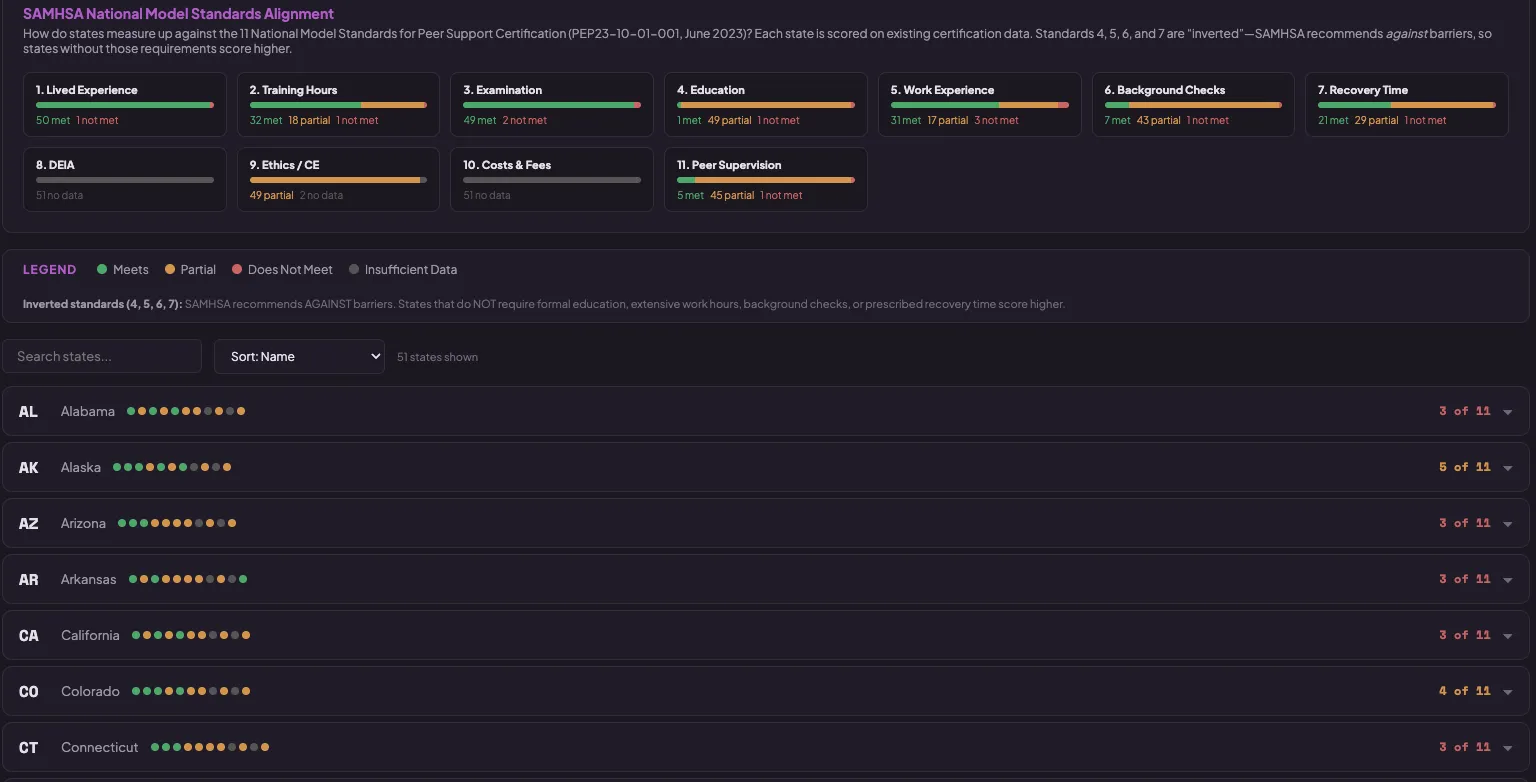
If this sounds implausible, you probably have not watched a nontechnical person use a tool like Claude Code. As one of many examples I could cite, earlier this week my colleague and BeePurple CEO Stevee Danielle used Claude Code to build an application modeling SAMHSA Peer Support Certification standards across all 50 states. She went from idea to MVP in four hours. Along the way, she imported data from every state and structured the application to address specific reporting gaps identified by industry leaders in published research. This is just one example; I could devote multiple articles to this sort of software which is currently being built within Xenon’s portfolio of companies.
So what will the guild members do? They will configure the factory so that people like Stevee can move code all the way to production. As factory technicians, they will tune the machines on the floor to ensure inputs are converted into reliable output, maximizing the velocity of code flowing from nontechnical team members through the assembly line. Each agent performs a critical function in the line: one codes, another handles QA, another generates documentation, another reviews pull requests, another deploys, and so on. They will work in unison, much like today’s CI/CD pipelines, with one critical difference: AI, not guild members, will play the central role, not only executing each stage but continuously analyzing and improving the line as it runs.
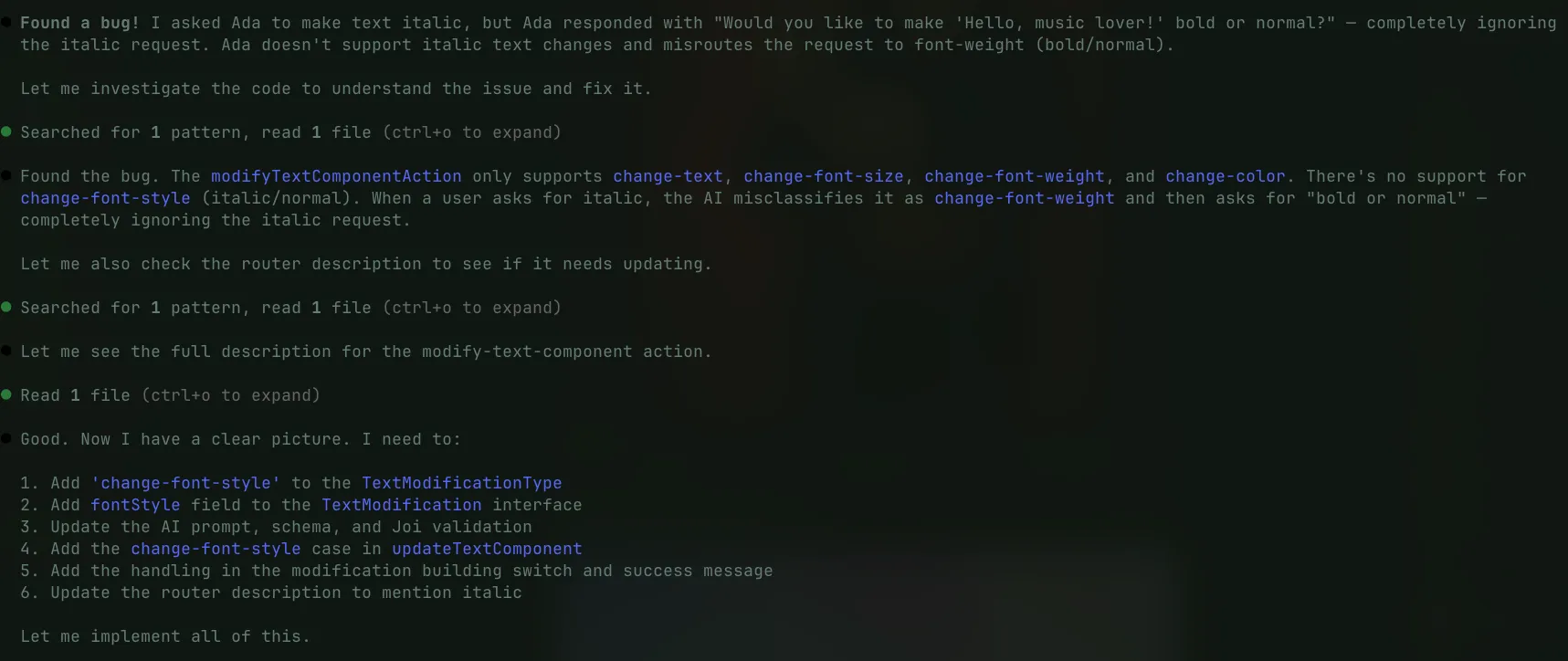
Now I will say out loud the part everyone is probably thinking: this factory will eventually run with almost no technicians. At Adalo, where I serve as CTO, we are already seeing early glimpses of this future. In recent weeks we built an agent that has been running nearly around the clock in either bug fixing or feature creation mode. When operating in the former mode, we do not tell it which bugs to fix. Read that sentence again. It finds, triages, fixes, and verifies bugs on its own. After each run, it updates a persistent memory with lessons learned, optimization ideas, and other improvements so that it can operate even more efficiently the next time. Watching it work has been described by me and my colleagues as mesmerizing.
The very idea of this becoming reality is exciting, terrifying, and mystifying. As a lifelong programming nerd and guild member, what is happening right now is the most incredible thing I have ever seen, and I have been leading efforts across the portfolio to ensure these factories are configured to meet this new reality. I am convinced that much of society has not yet begun to grasp the magnitude of what is happening. One way or the other, the factory era of software has begun.
The author Jason Gilmore regularly advises investment banks, universities, and other organizations on AI’s impact of software development processes. Get in touch with Jason at wj@wjgilmore.com.